


سامانهها و راهکارهای هوشمند تیروژ

تعدادی از پروژه های تیروژ
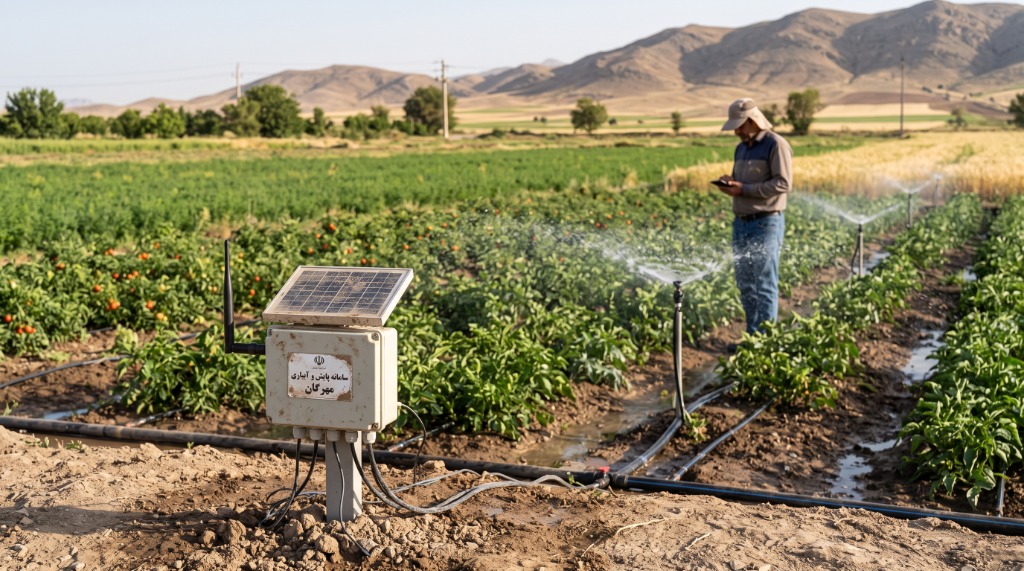
پروژه مهرگان (پایش و آبیاری)
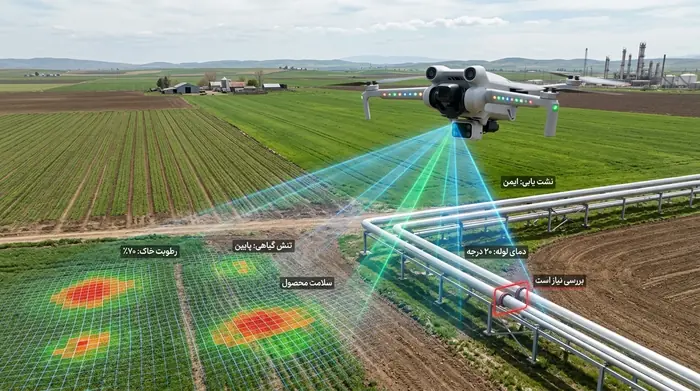
سامانه بومی مدیریت و پایش مزارع با هدف بهینهسازی مصرف آب و انرژی. این سیستم با فناوری برد بلند و کممصرف LoRa در لایه سختافزار، امکان ارتباط بیسیم حسگرها در وسعت مزرعه را بدون نیاز به زیرساختهای گرانقیمت فراهم میکند. معماری نرمافزاری بهینهسازیشده برای مصرف حداقل منابع (Resource-efficient)، پایداری بالای پلتفرم در شرایط اقلیمی سخت را تضمین کرده است.
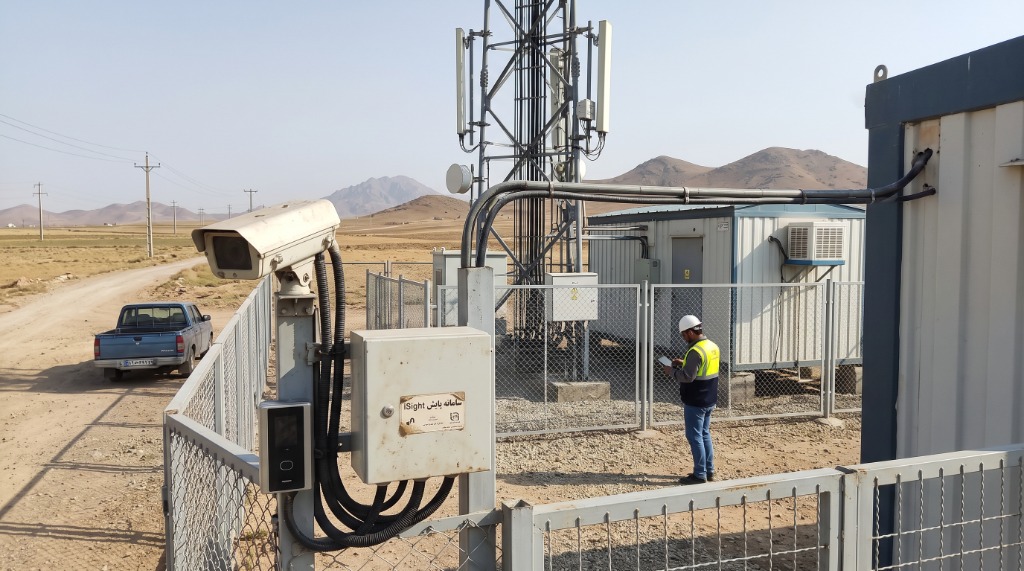
سامانه iSight (پایش BTS)
پلتفرم جامع کنترل تردد و نظارت تصویری برای سایتهای BTS مخابراتی. سختافزار سامانه متناسب با شرایط سخت محیطی و استانداردهای صنعتی مخابرات طراحی شده است. لایه نرمافزار با معماری میکروسرویس (Microservices) توسعه یافته تا پایداری و مقیاسپذیری بالایی در مدیریت همزمان هزاران سایت داشته باشد.
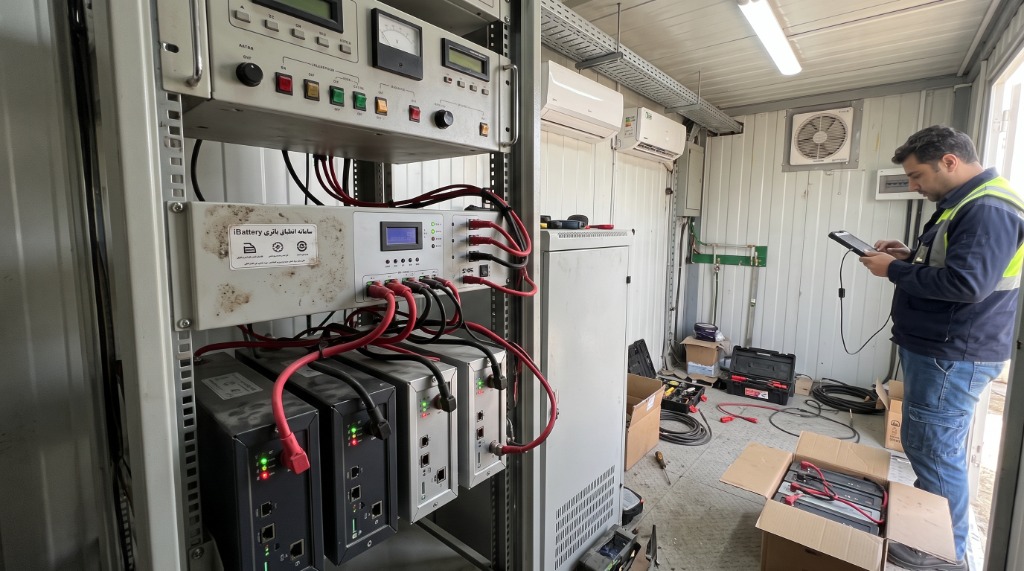
سامانه iBattery (انطباق باتری)
مدیریت انرژی و نوسازی صنعتی (Retrofitting & Power Management). راهکار تخصصی نوسازی جهت حل ناسازگاری باتریهای مدرن لیتیومی با رکتیفایرهای قدیمی سایتهای مخابراتی. این سیستم با شبیهسازی دینامیک رفتار شارژ و دشارژ، جایگزینی ماژولهای لیتیومی را بدون تعویض تجهیزات گرانقیمت فراهم کرده و مجهز به پنل متمرکز کنترل دسترسی کاربران (RBAC) است.
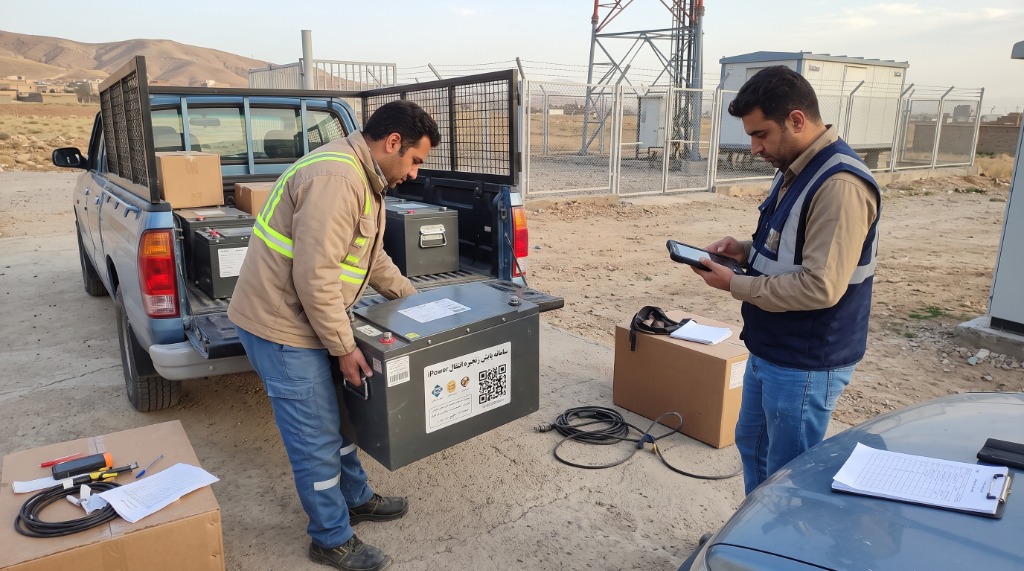
سامانه iPower (پایش زنجیره انتقال)
سامانه سختافزاری و نرمافزاری یکپارچه برای پایش سلامت باتریهای لیتیومی و مدیریت فرآیند جابجایی و مصرف توان. این سامانه با ثبت دادههای عملکردی و زنجیره انتقال، امکان رهگیری افراد و پیمانکارانِ متولی جابهجایی باتری را فراهم کرده و از سوءاستفاده، سرقت یا آسیب ناشی از انتقال نامناسب تجهیزات حساس انرژی جلوگیری میکند.
مغزهای متفکر پشت راهکارهای هوشمند تیروژ
تلفیق دانش پیشرفته هوش مصنوعی، اینترنت اشیاء صنعتی و تجربه ساخت سختافزارهای پایش هوشمند






مطالب آموزشی و خبری در وبلاگ تیروژ مقالات خبری، اقتصادی و آموزشی به روز دنیا
وبلاگ تیروژ

برندها و سازمانهایی که به ما اعتماد کردند همکاری با برترین مجموعهها و صنایع پیشرو کشور
برندها و سازمانهایی که به ما اعتماد کردند همکاری با برترین مجموعهها و صنایع پیشرو کشور